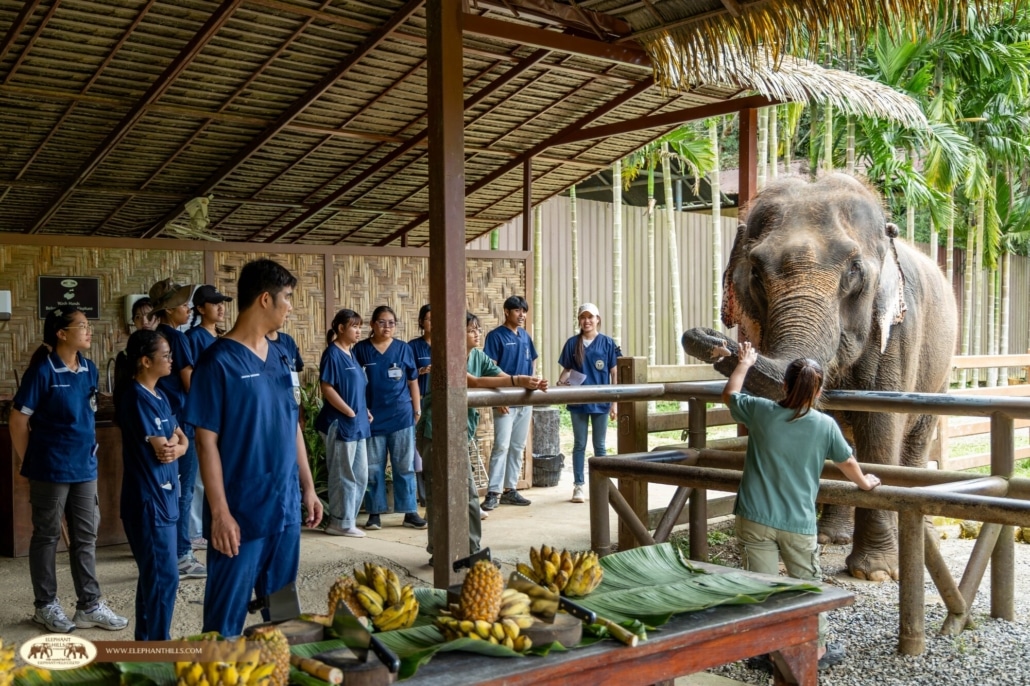
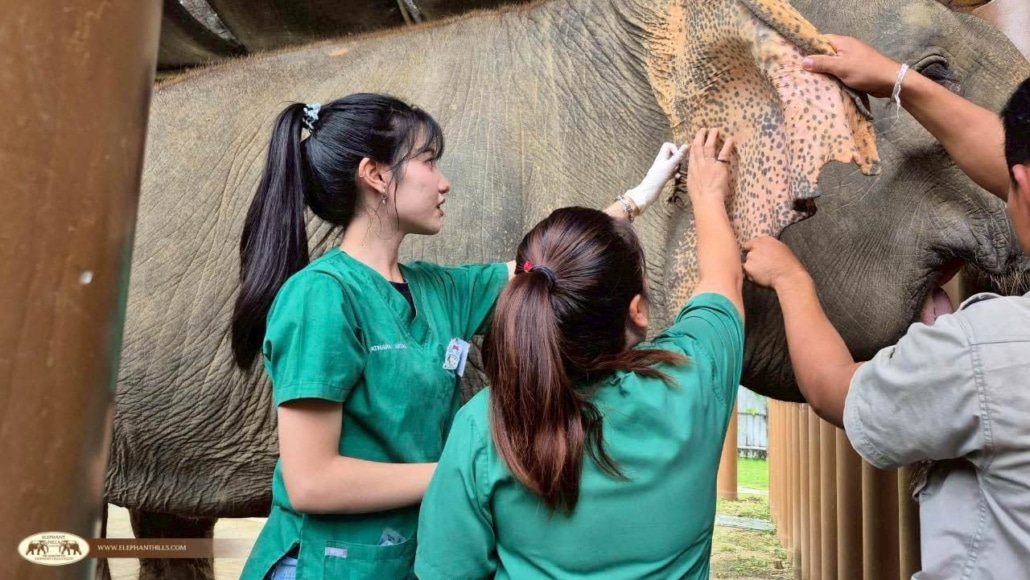
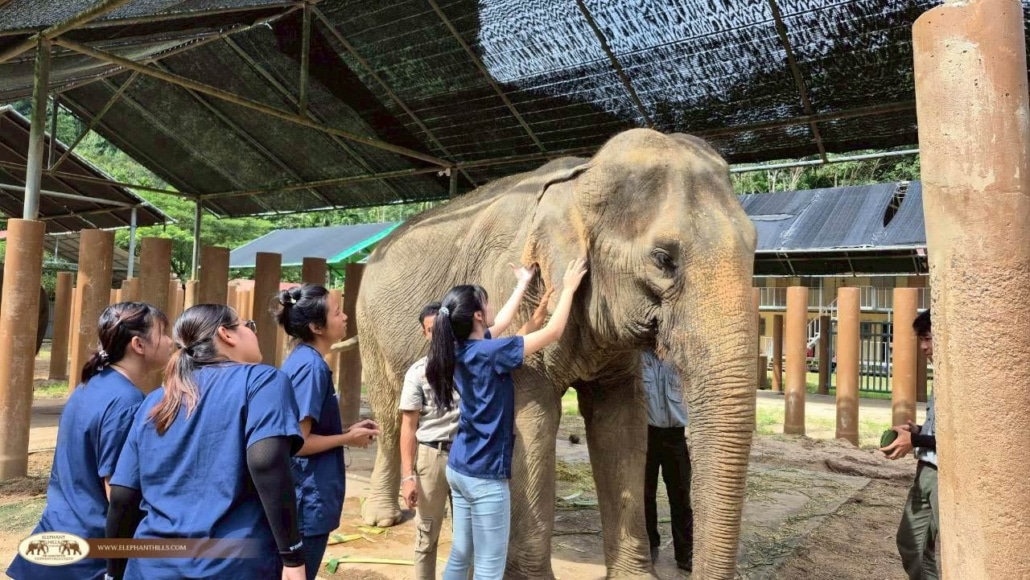
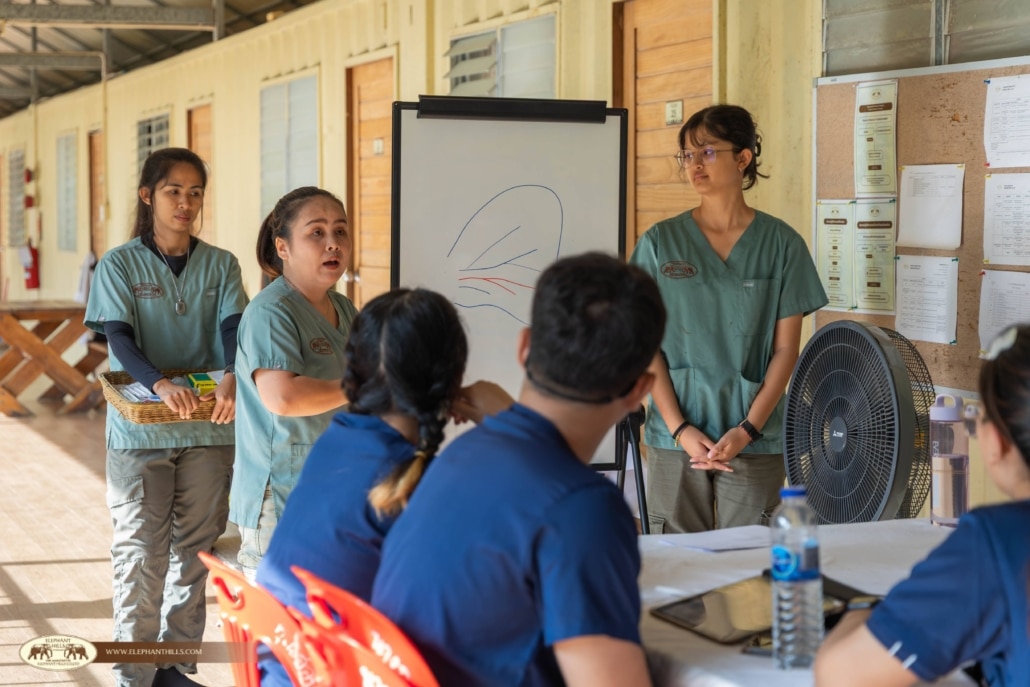
Under the guidance of our experienced elephant veterinarians, students practiced a range of essential clinical skills, including:
- Conducting physical examinations
- Collecting blood samples
- Administering medications orally and via intramuscular injections
- Performing IV fluid therapy
- Applying eye drops
- Trimming nails
- This comprehensive training gave students valuable real-world experience, enhancing their understanding of elephant healthcare and advancing their practical veterinary abilities.
- At Elephant Hills, we are proud to support education that promotes ethical, responsible elephant care. By sharing our expertise with future veterinarians, we contribute to long-term elephant conservation while creating positive, lasting impacts for local communities and wildlife.
Veterinary Students Gain Hands-On Elephant Care Experience at Elephant Hills
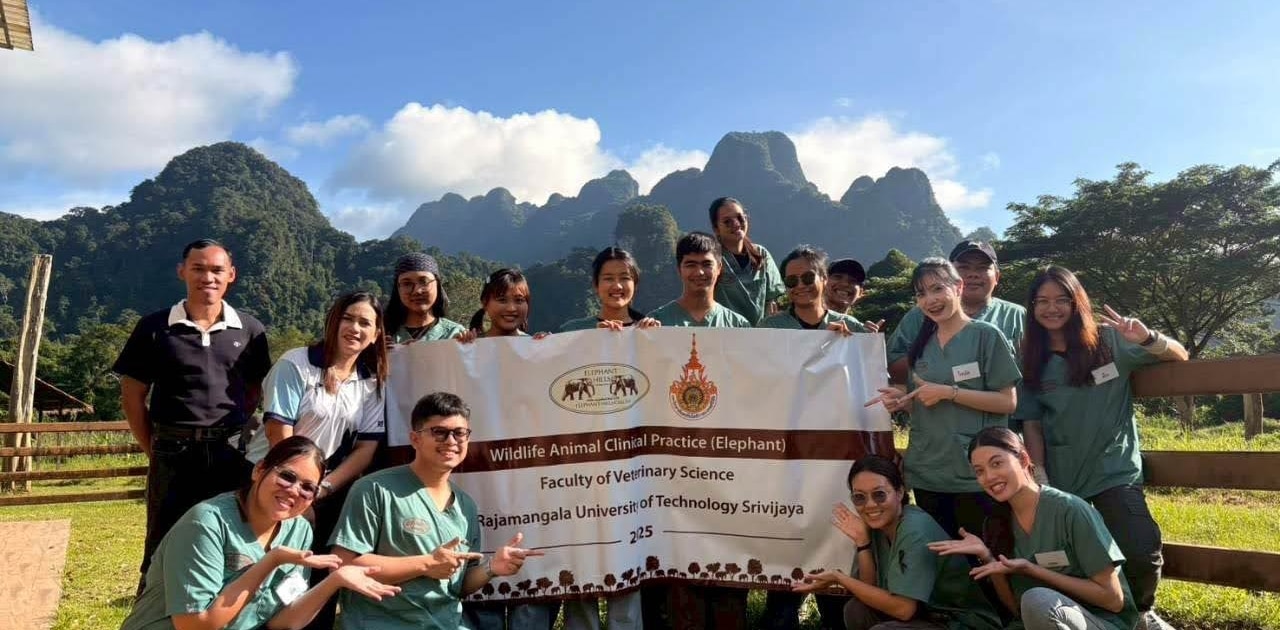
From November 4–6, 2025, Elephant Hills welcomed veterinary students from Rajamangala University of Technology Srivijaya for an immersive, hands-on training program focused on elephant health and welfare. Throughout the program, our dedicated veterinary team provided continuous guidance, knowledge, and supervision to ensure a meaningful and safe learning experience.
With continued collaboration and knowledge-sharing, we strive to ensure a brighter, more sustainable future for Thailand’s magnificent elephants.
This comprehensive training gave students valuable real-world experience, enhancing their understanding of elephant healthcare and advancing their practical veterinary abilities.
At Elephant Hills, we are proud to support education that promotes ethical, responsible elephant care. By sharing our expertise with future veterinarians, we contribute to long-term elephant conservation while creating positive, lasting impacts for local communities and wildlife.
With continued collaboration and knowledge-sharing, we strive to ensure a brighter, more sustainable future for Thailand’s magnificent elephants.
Working Together for Nature, Wildlife, and Community
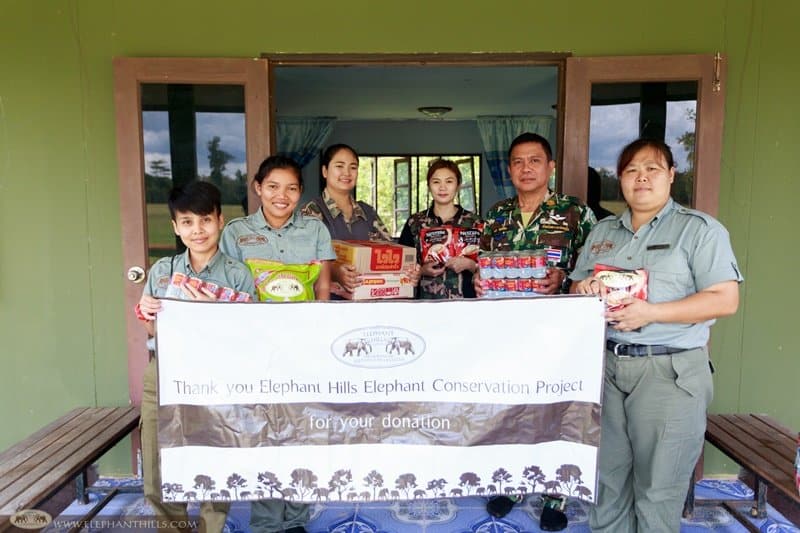
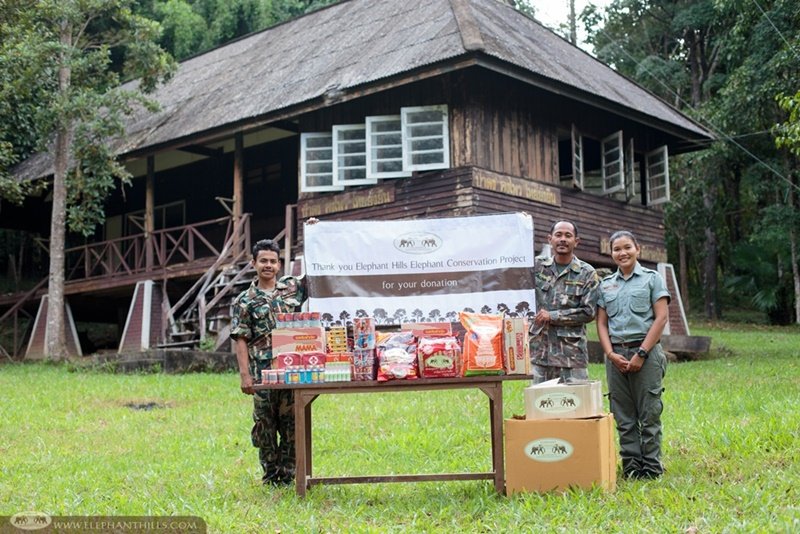
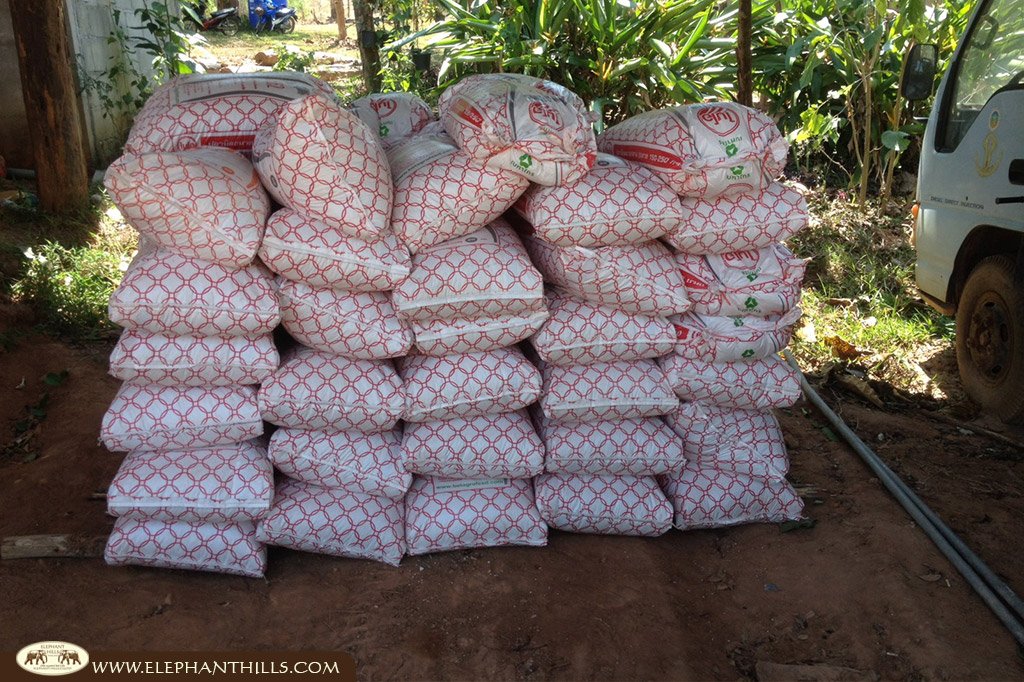
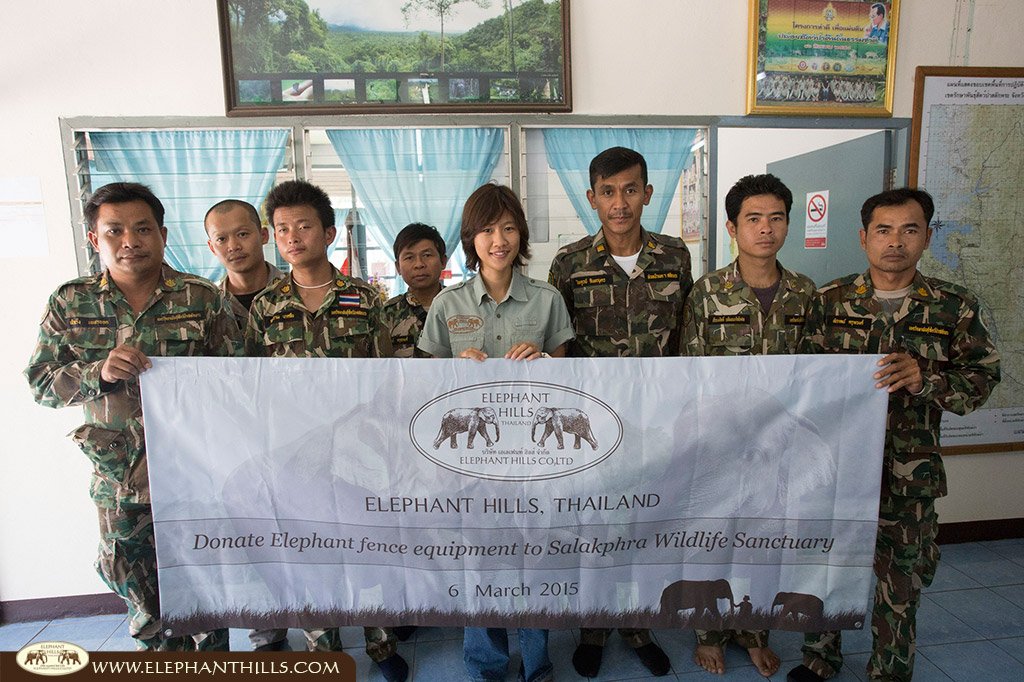
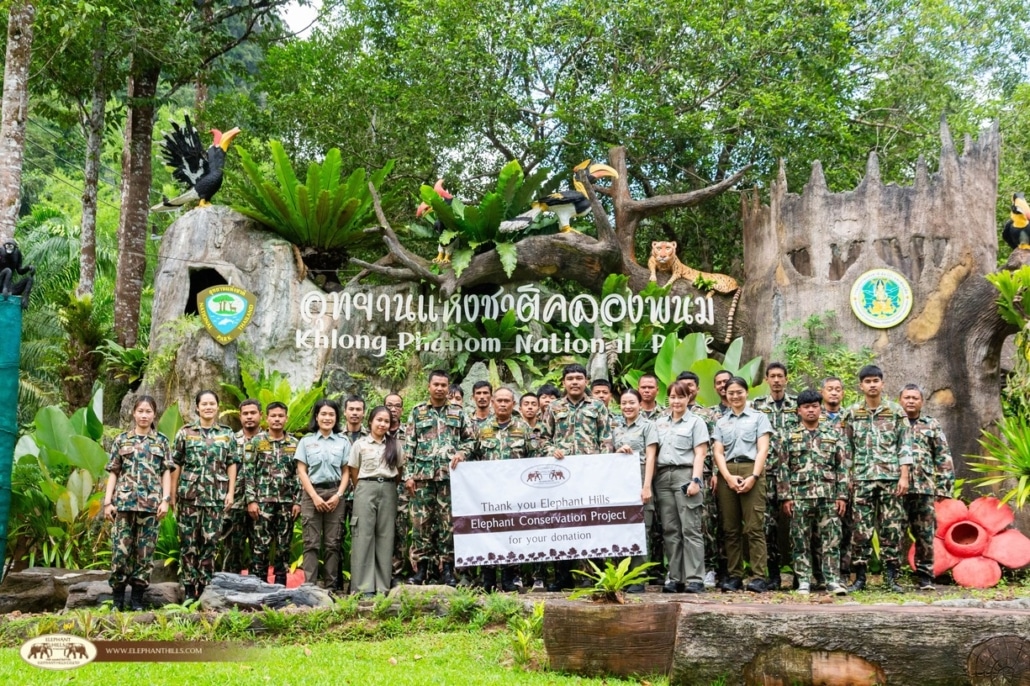
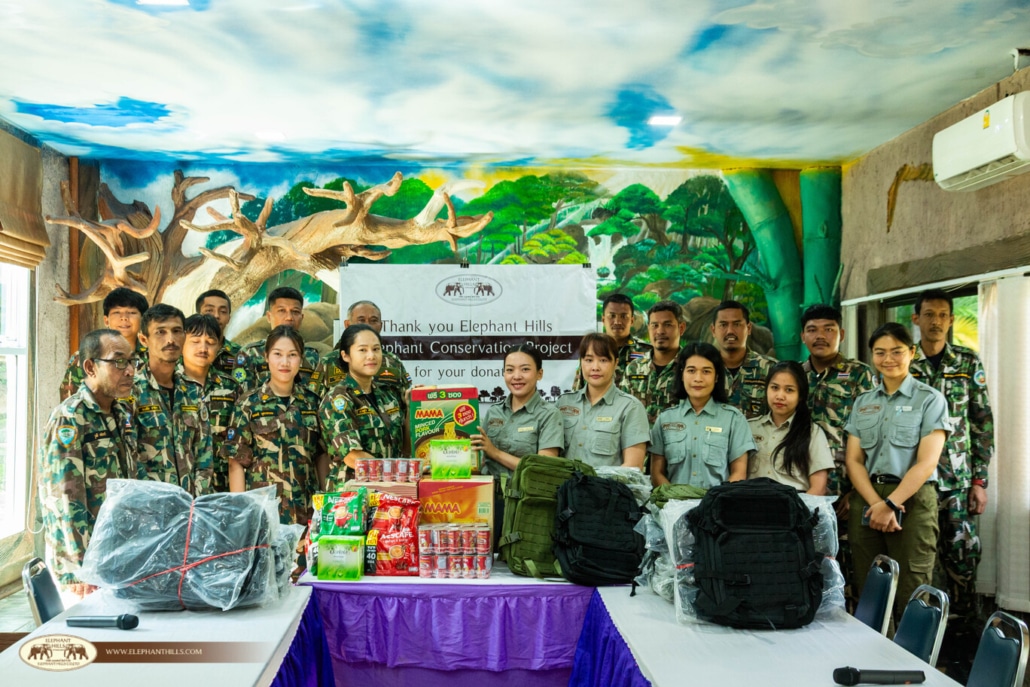
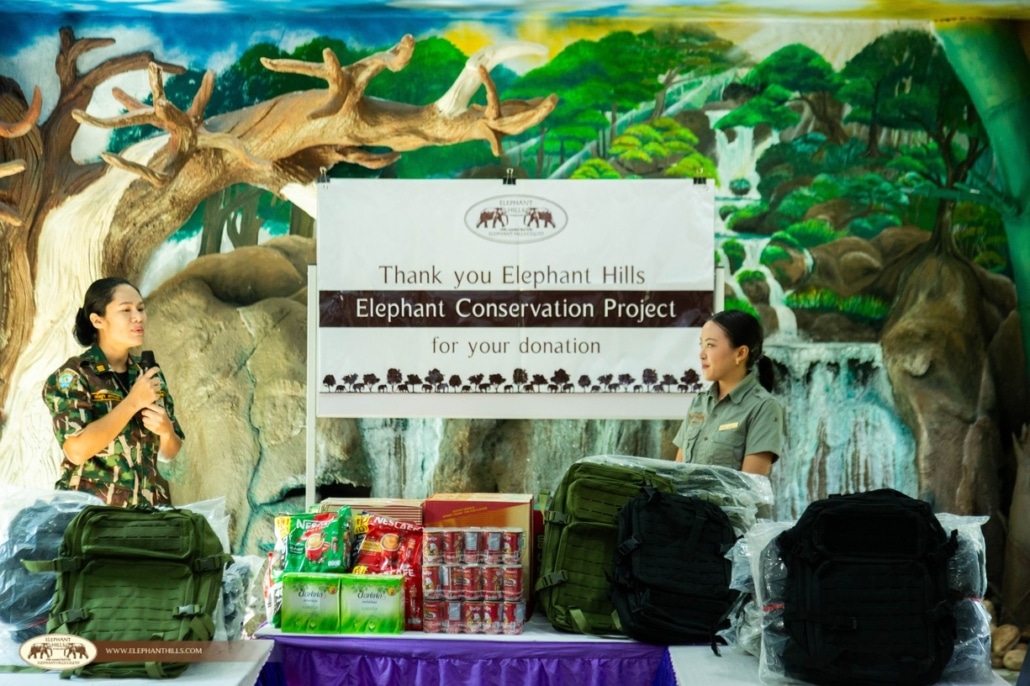
On September 23rd, the Elephant Hills team had the opportunity to visit Klong Phanom National Park, where we donated essential supplies to the park rangers.
Being located so close to this beautiful national park, Elephant Hills has always been grateful for the support and protection provided by its dedicated staff. Their presence ensures that our camp operations run smoothly and safely, free from concerns about potential dangers posed by the surrounding wildlife. This donation was therefore not only a gesture of appreciation but also a heartfelt thank-you to the rangers who work tirelessly to protect both nature and the people who live and work nearby.
The visit was also a valuable opportunity for our team to connect with the community around us. National park rangers dedicate their lives to conserving Thailand’s natural treasures—protecting wildlife, safeguarding the forest, and ensuring the balance of the ecosystem. Their work benefits not only visitors and locals but also the future generations who will one day enjoy these natural wonders.
We are proud to stand alongside Klong Phanom National Park and its rangers, and we will continue to seek ways to contribute meaningfully to the community and environment that surround us. Together, we can create a future where tourism, nature, and local livelihoods thrive in harmony.
At Elephant Hills, we believe that giving back to society and the environment is vital for sustainable tourism. This donation is part of our ongoing CSR projects to support local communities and protect the region we share.
We are also seeking partners to support our Elephant Conservation Project through sponsorship.
For more details please contact us at projects@elephanthills.com or www.elephanthills.com/projects
Our Commitment to Elephant Welfare
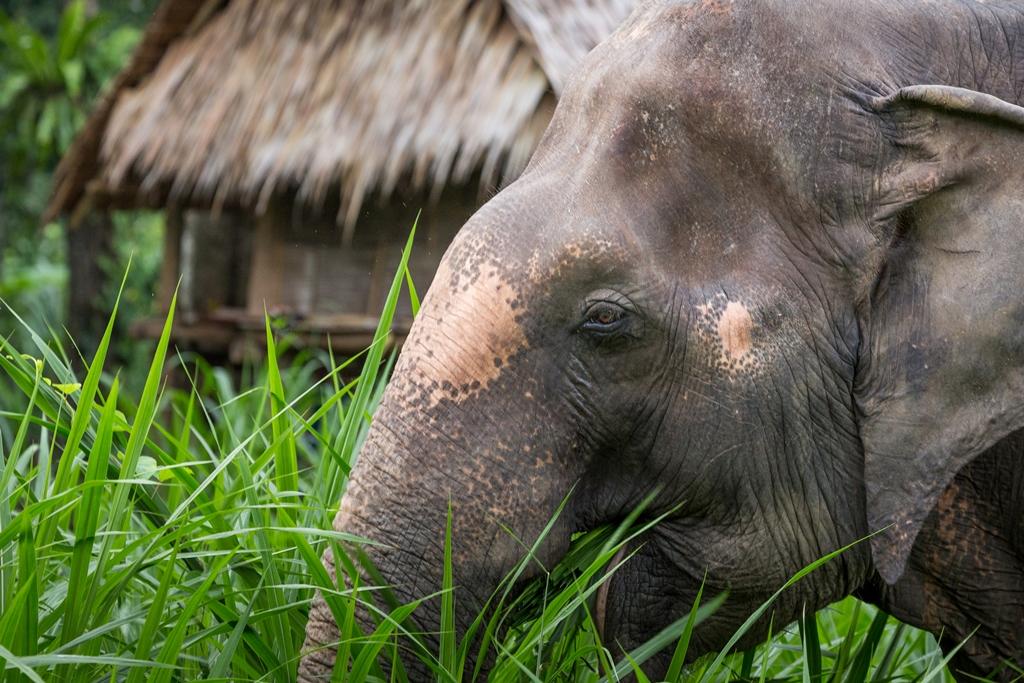
Elephant welfare has been a high priority for us from the start and whereas our elephants are well taken care of and happy, we want to do our part in helping other elephants in Thailand, both domestic and wild populations. Our Elephant Conservation Project aids elephants both through donations of essential supplies, and by supporting the vital research, workshops, and training.
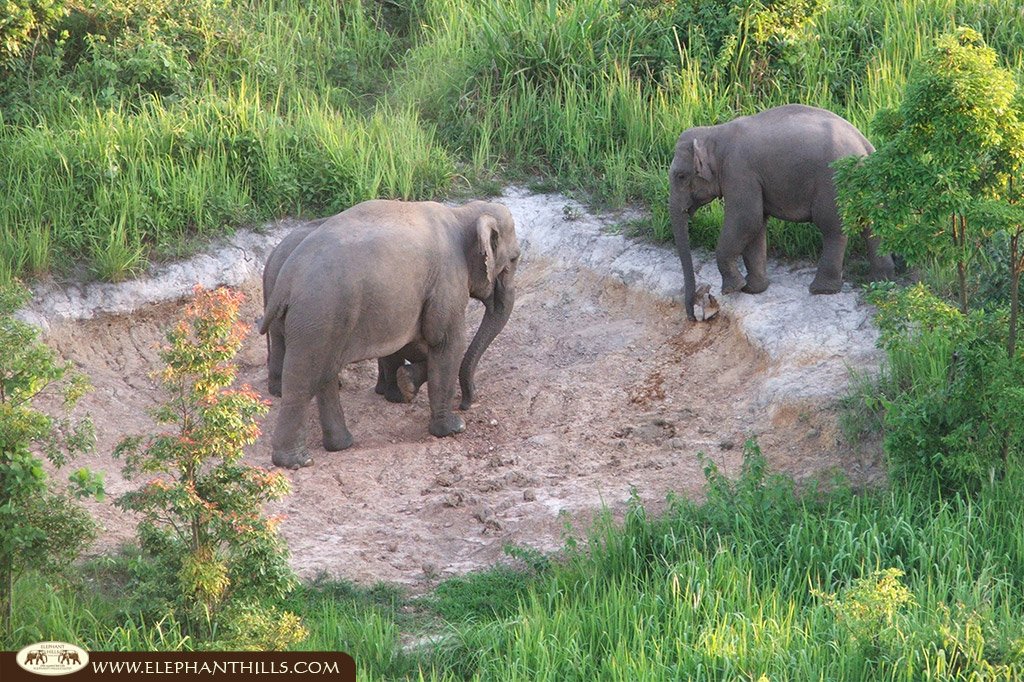
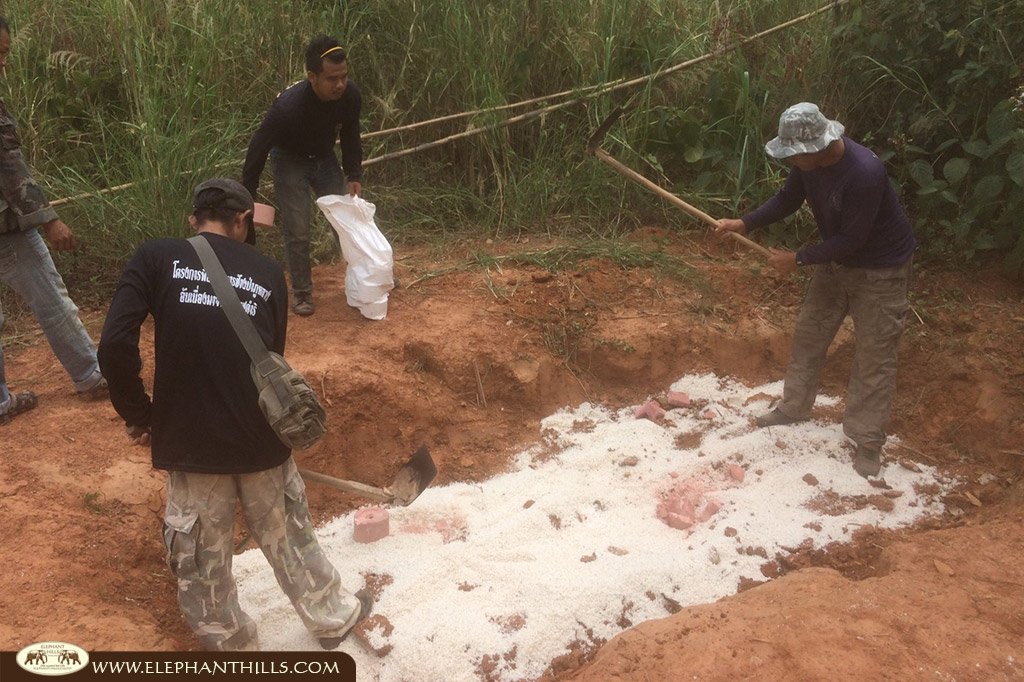
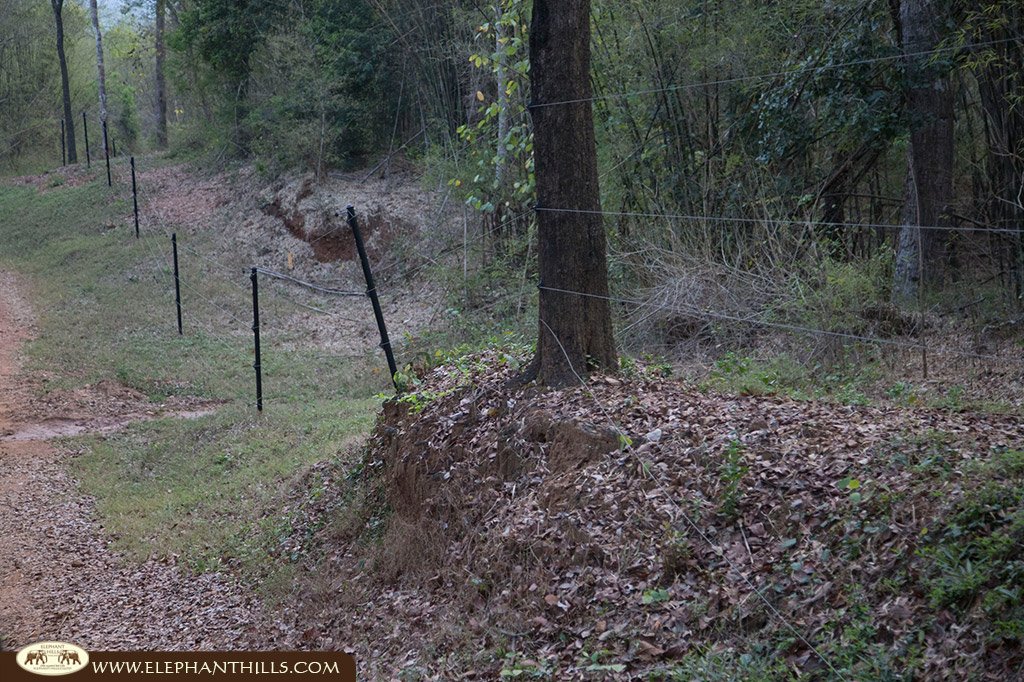
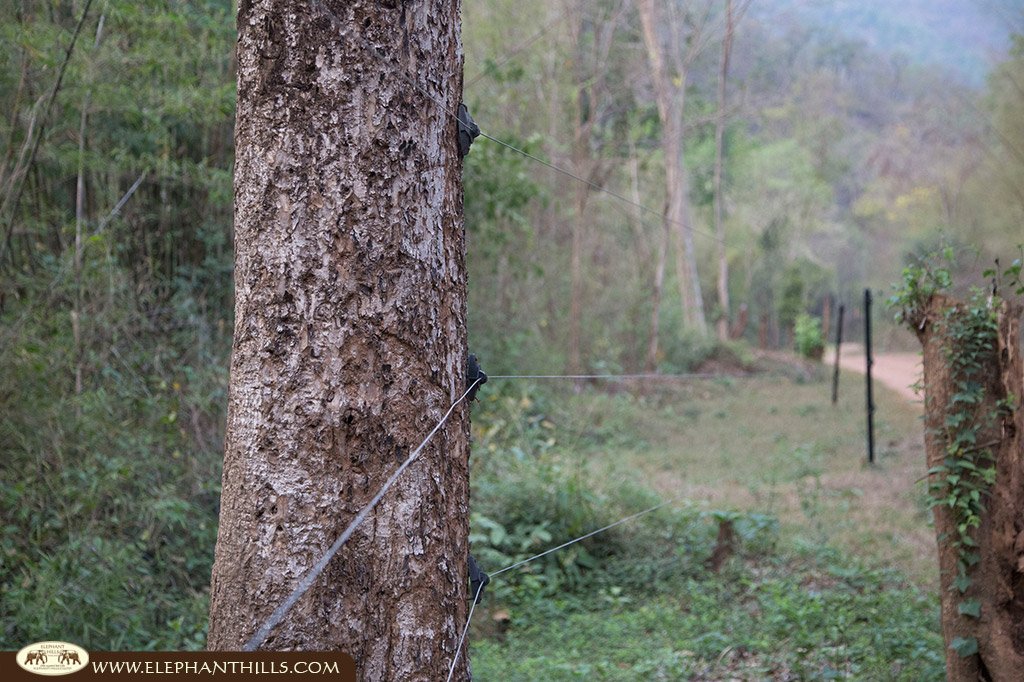
We spread awareness of the endangered Asian Elephants and support conserving the wild populations by contributing to preventing human-elephant conflicts at the villages bordering Wildlife Sanctuaries and National Parks. Some of the donations include electric fences, preparing salt licks and providing equipment to rangers. We have planted thousands of native trees at the edges of protected areas to increase the food supply of wild elephants, trying to eliminate the need to seek food outside the forest.
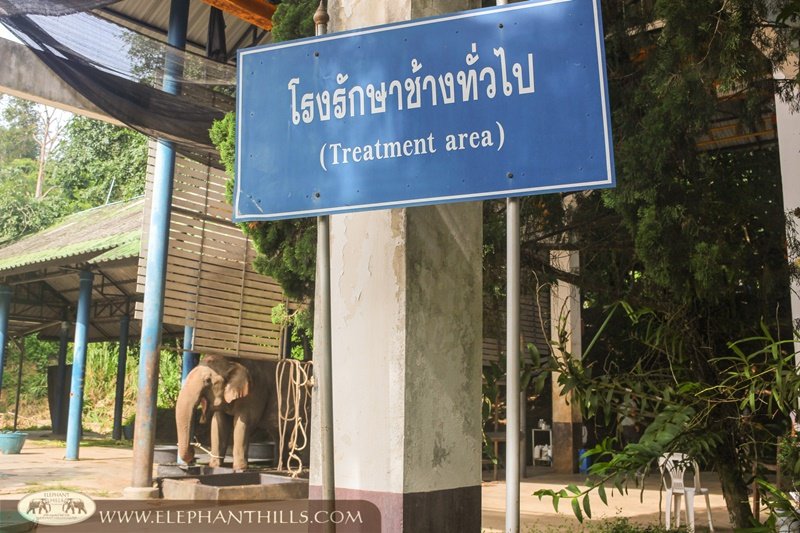
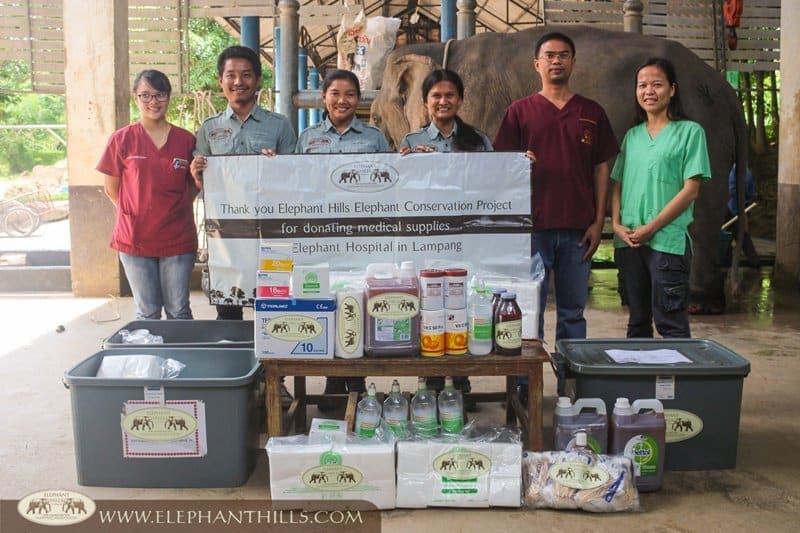
There are three government-run elephant hospitals in Thailand. We regularly aid all of them by donating essential medical equipment and supplies, as well as herbs, grass, and other elephant food to help to improve the welfare of the domestic elephants treated in the hospitals.
Supporting Elephants Beyond Our Camps: Elephant Hills and The Bush Camp Chiang Mai
Caring for elephants extends far beyond camp boundaries. Elephant Hills and The Bush Camp Chiang Mai recognize that many elephants in rural Thailand still lack access to proper veterinary care due to limited resources and expertise.
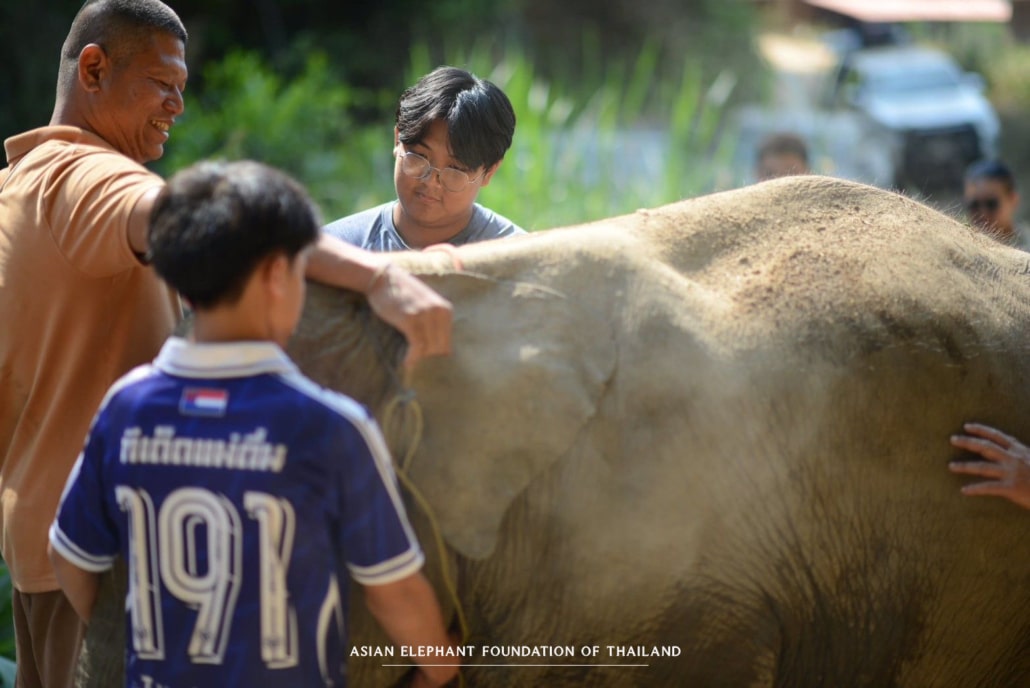
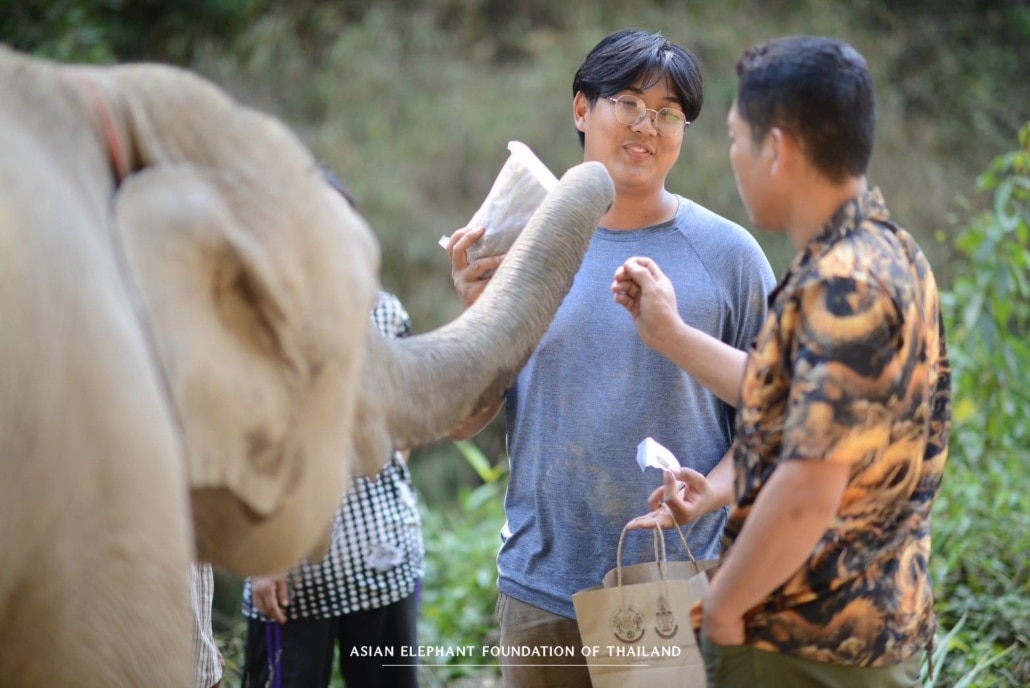
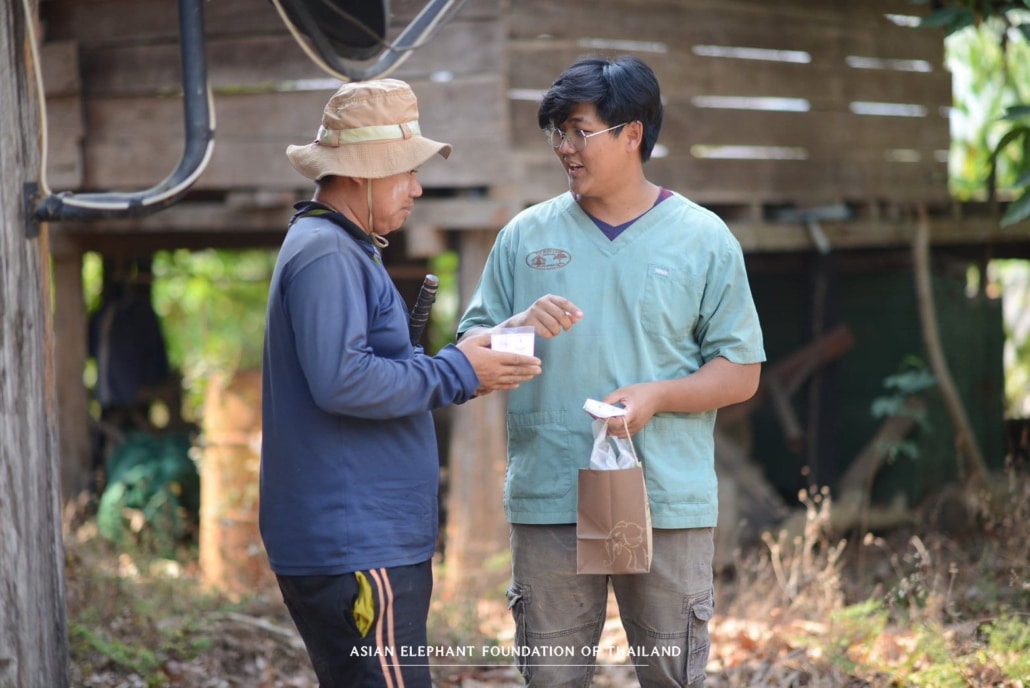
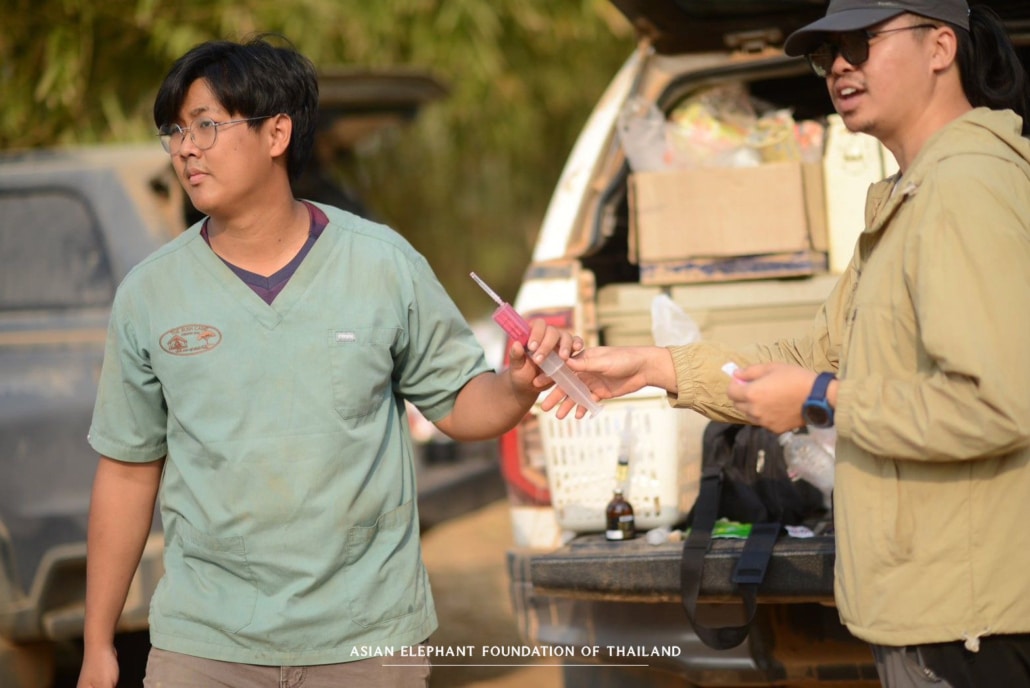
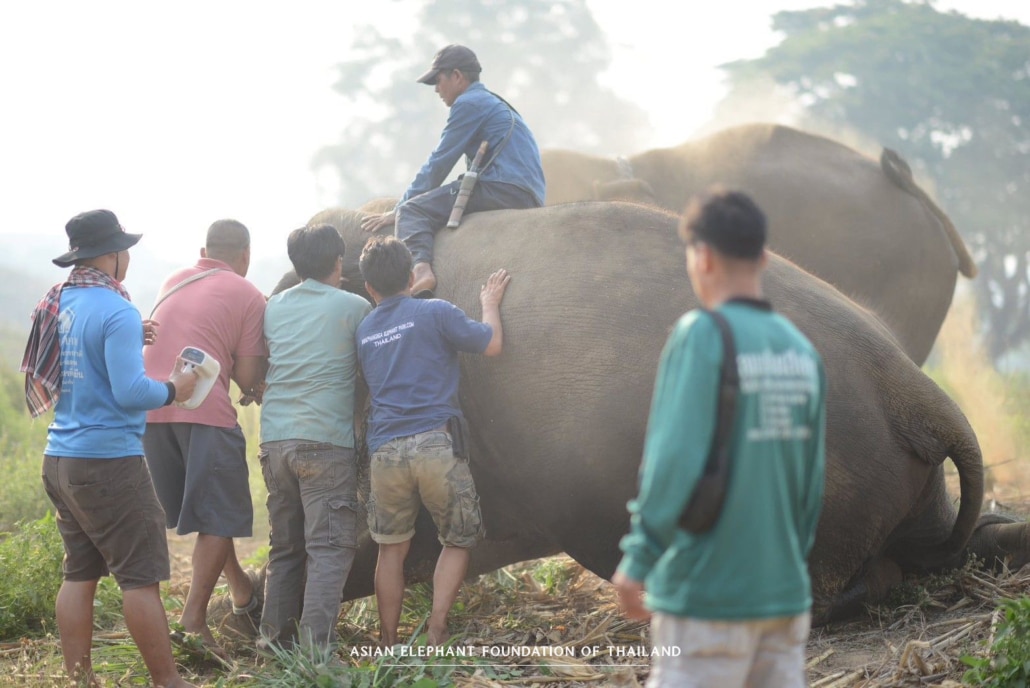
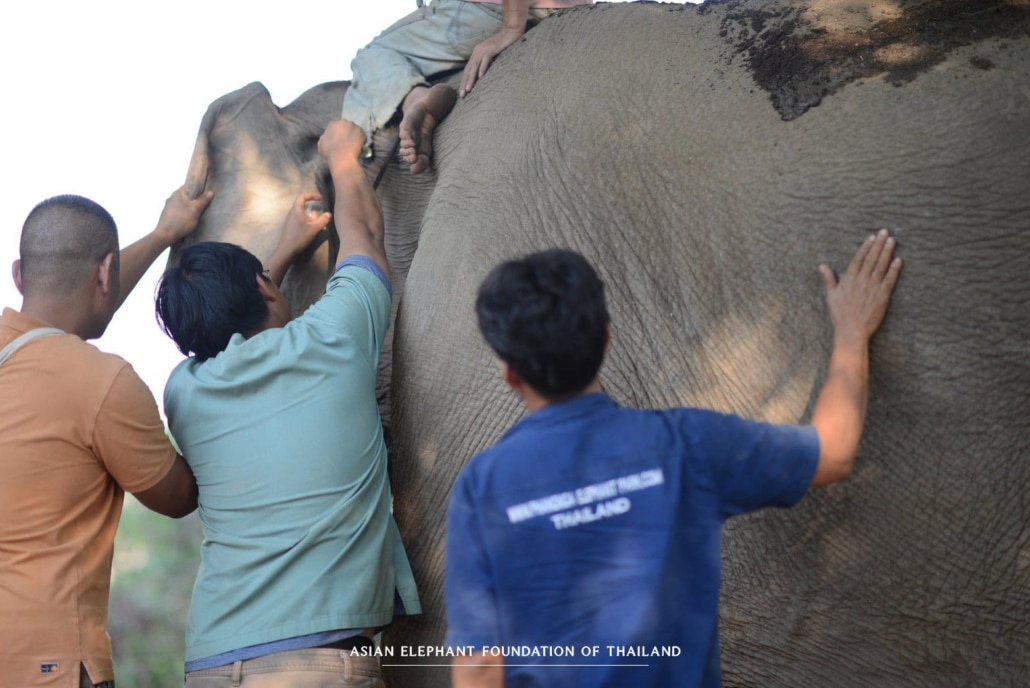
To help address this, they support the Asian Elephant Foundation of Thailand, which conducts outreach missions to remote areas along the Thai–Myanmar border, delivering essential medical care to elephants suffering from injury or illness.
Their veterinary teams actively participate in these missions, working alongside professionals from The Elephant Hospital – Lampang and Thai Elephant Conservation Center. This collaboration enhances elephant care while promoting knowledge exchange and valuable hands-on experience.
Services provided include health checks, microchipping, deworming, vitamin supplementation, and wound treatment—all free of charge.
For over 20 years, this conservation effort has remained committed to improving elephant welfare across Thailand, extending care beyond camps to elephants in underserved communities.
How can you help?
- Don’t support poorly maintained elephant camps
- Don’t support elephants that are used for begging purposes
- Don’t buy ivory products
- Donations of funds are accepted at our elephant camp and delivered to government run elephant hospitals and wild elephant conservation projects all over Thailand
We are currently looking for partners to co-operate with our Elephant Conservation Project through sponsorship. If you or your company would be interested, please contact us at projects@elephanthills.com.

Conservation of wild elephant populations
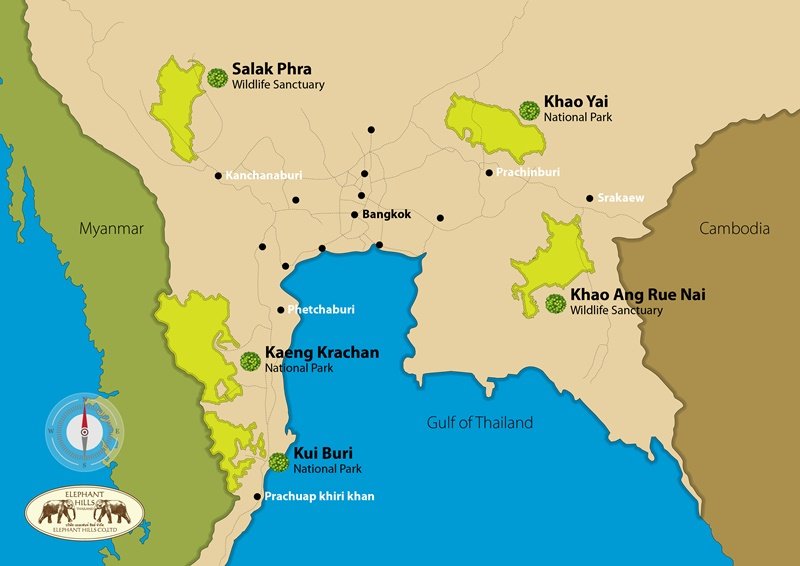
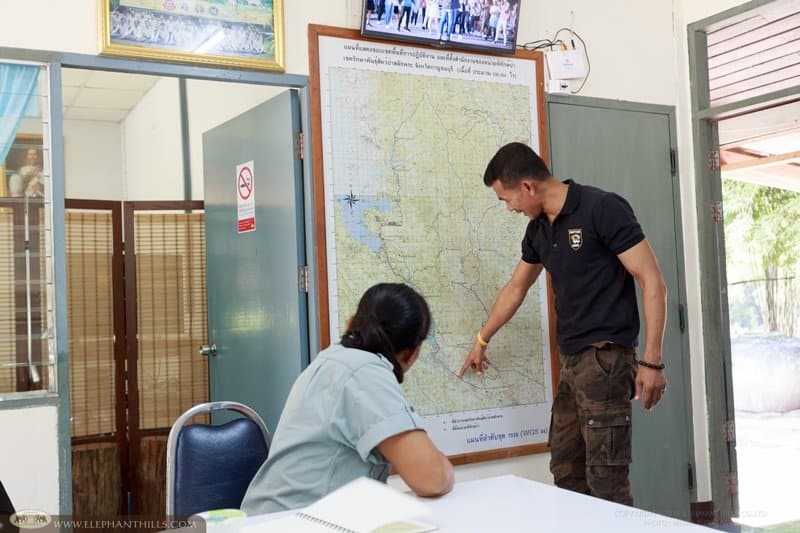
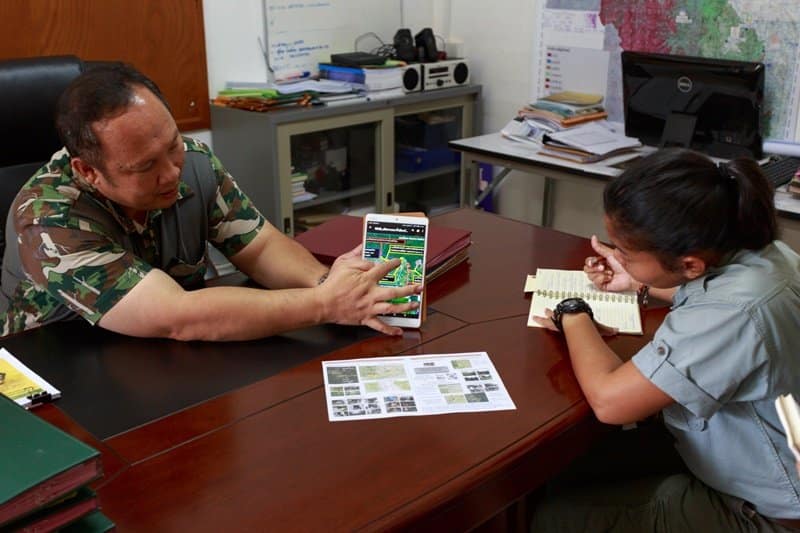
Our team took to the road and visited five National Parks and Wildlife Sanctuaries in Thailand to discuss about the human-elephant conflict and ways to solve it. We drove through the country to reach the areas most affected by human-elephant conflicts, in order to learn more and see how we can help. Upon arranging the meetings with the heads of the protected forest areas, we inquired about the supplies needed by the rangers on their patrol walks and brought donations with us.
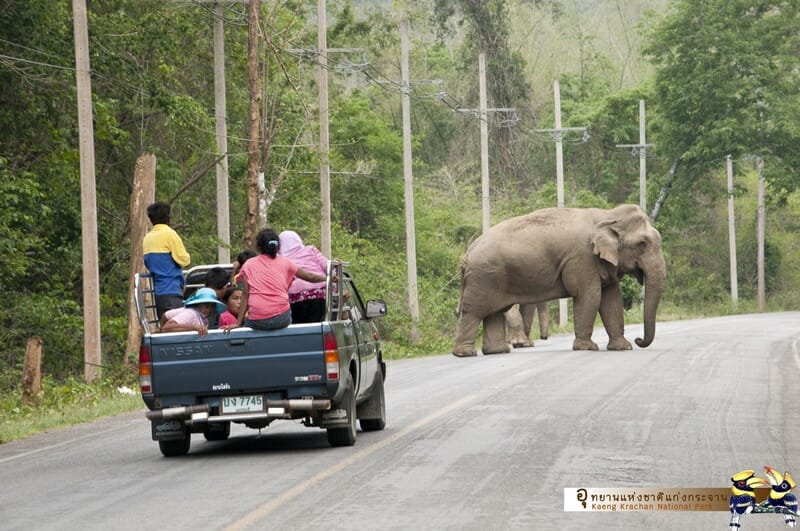
Although the nature of the problems as well as solutions differed quite a lot in each area, there was one thing common for all places we visited: the increase in the number of wild elephants. This is amazing news, and it proves that over the past couple of decades poaching and illegal capture of wild elephants in Thailand has decreased drastically. For example, the head of the Wild Elephant Food Plant Rehabilitation Project in Phu Luang Wildlife Sanctuary reported a substantial annual growth rate of nearly 8% over the past 20 years.
While it’s incredible that the wild populations are thriving, it evidently also means an increase in conflict situations as the rainforests are not getting any larger, and no new National Parks and Wildlife Sanctuaries are being defined. In some areas, there is little capacity left for the growing populations. National Parks, Wildlife Sanctuaries and people living close to the protected forests are left with a massive challenge to find a solution that suits all parties, of whom one happens to be the biggest land animal in Asia.
We are currently looking for individuals and companies to co-operate with our Elephant Conservation Project through corporate sponsorship. Together we can help to conserve the wild populations by helping the National Parks and Wildlife Reserves with their continuous efforts in reducing the human-elephant conflicts.
Possible projects include donating material and funds for salt licks, drinking and bathing ponds, grass planting, beehive fences, electric fences, and other kinds of barriers. The hard-working rangers are also lacking equipment such as hammocks, flashlights, and binoculars, as well as food supplies for their long patrol treks. Please contact us at projects@elephanthills.com to discuss the options!


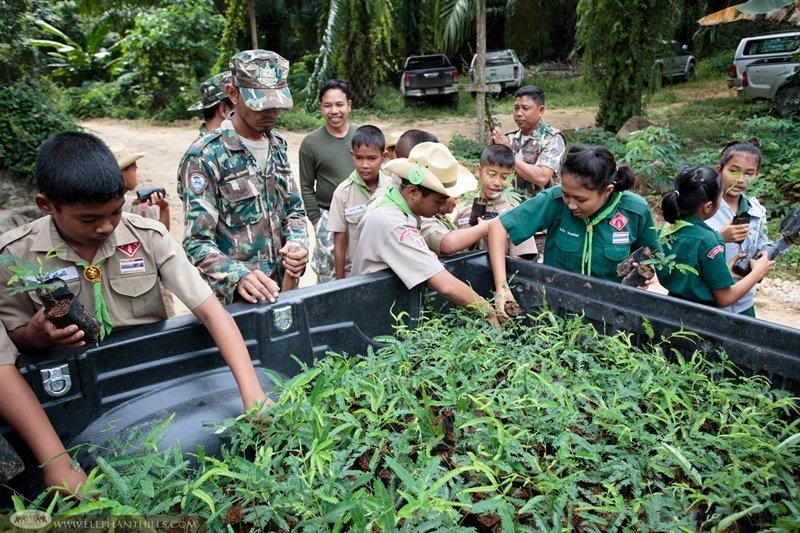
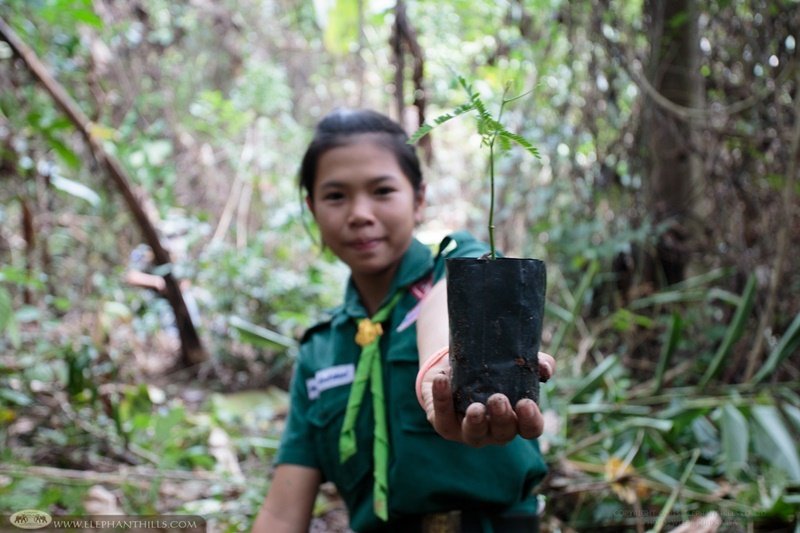
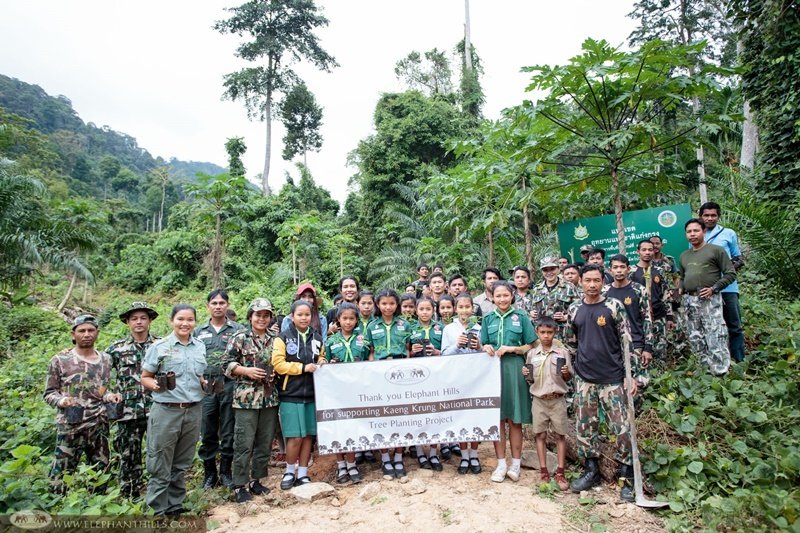
Planting trees to aid wild elephants in Kaeng Krung National Park
Kaeng Krung National Park is located in Surat Thani province, approximately 70km North-East from Cheow Larn Lake and our Rainforest Camp. Due to its proximity with Khao Sok National Park, the wild elephant populations can sometimes move between the two areas. In the recent years the wild elephants have started to find their way to locals’ plantations in a village bordering with the Kaeng Krung National Park.
It first started with a single elephant roaming in nearby plantations, eating the villagers’ crops. As often happens in areas with human-elephant conflict, more elephants started to forage in the plantations, seeking food. Today as many as ten elephants come out to human settlements regularly. One male has even made it all the way the local school, situated about 2km from the National Park border. This of course has raised many safety concerns in the local community.
We have visited many areas struggling with human-elephant conflict in Thailand, and although the situation wasn’t as alarming as in many other areas, we knew that over the coming years it could turn much worse. In Kaeng Krung National Park the number of wild elephants was also increasing, but their habitat wasn’t getting any bigger.
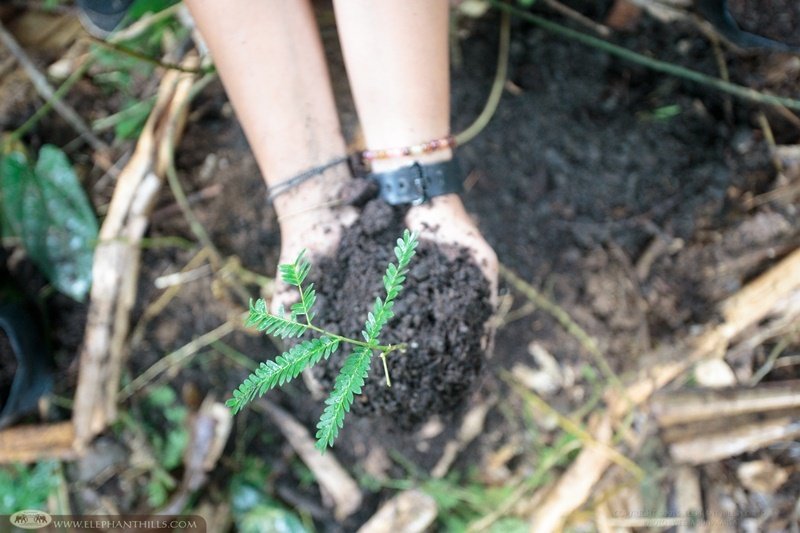
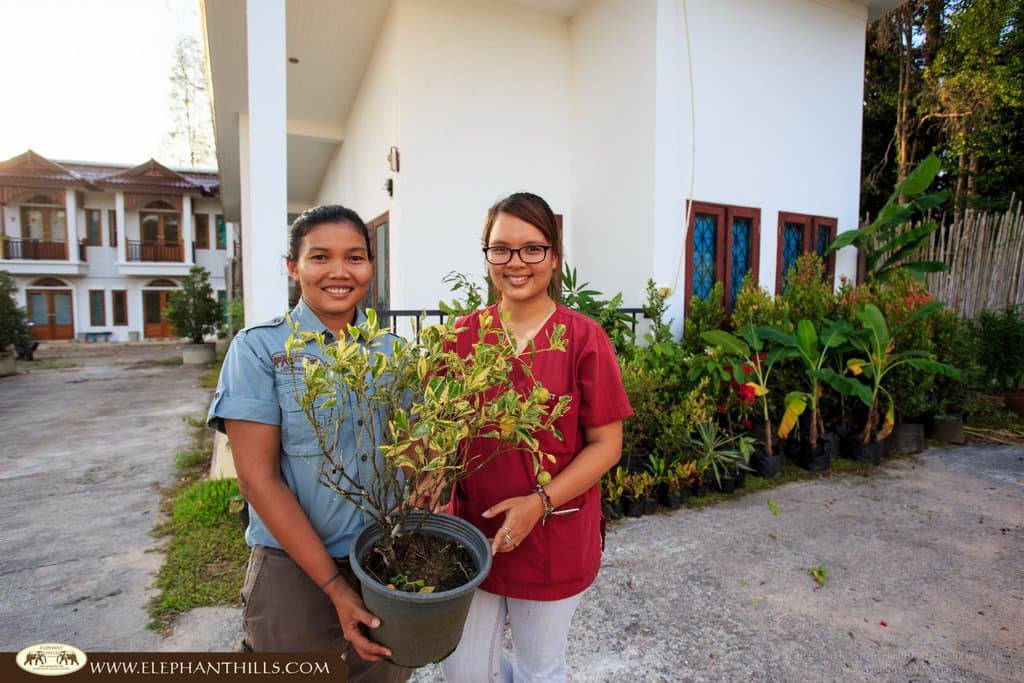
Together with the National Park we came up with a plan to plant trees to increase food supply of the wild elephants, trying to eliminate the need to seek food outside the forest borders. We were also looking into ways to offset carbon emissions caused by our international marketing flights. What would be a better way to do this while at the same time helping the wild elephants and the local community!
Improving the welfare of domestic elephants in Thailand
At Elephant Hills we strive to take exceptional care of our elephants, and the high standard of welfare is made possible by the tourism industry. We believe that tourism business, if run in a sustainable and ethical way is vital for the survival and well-being of Thailand’s domestic elephants. Thailand’s government-run elephant hospitals play a very important part in any elephant camp’s efforts in improving their welfare aspects.
The three government-run hospitals are located in Krabi, Lampang and Surin. The vet teams do a wonderful job not only in terms of essential treatment at the hospitals, but also through annual health checks in all camps and regular training of mahouts and elephant camps’ onsite vets. By visiting all Thailand’s elephant camps annually, the vets get first-hand information on the areas where elephants’ health and welfare aspects need improving. Based on this knowledge they can arrange effective and most relevant training, for instance foot and nail care training. The hospitals also accept vet interns who will eventually be the future professionals of elephant medicine in Thailand.
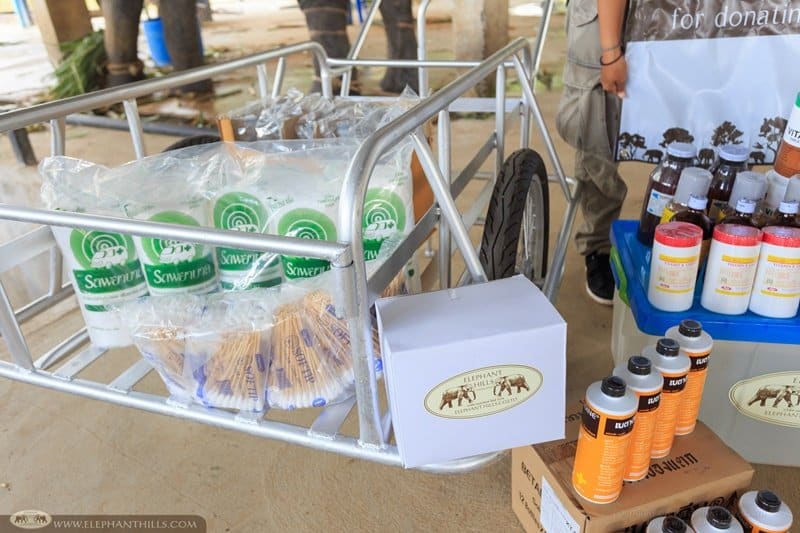
Through our Elephant Conservation Project, we support the hospitals’ work with regular donations. Most common donations include much needed medical supplies, which the vets use both with the cases treated at the hospital and when being called to handle any offsite emergencies. Over the years we have also contributed to the hospital’s mahout facilities, sponsored training, donated elephant food and herbs, baby elephant supplies and other equipment.
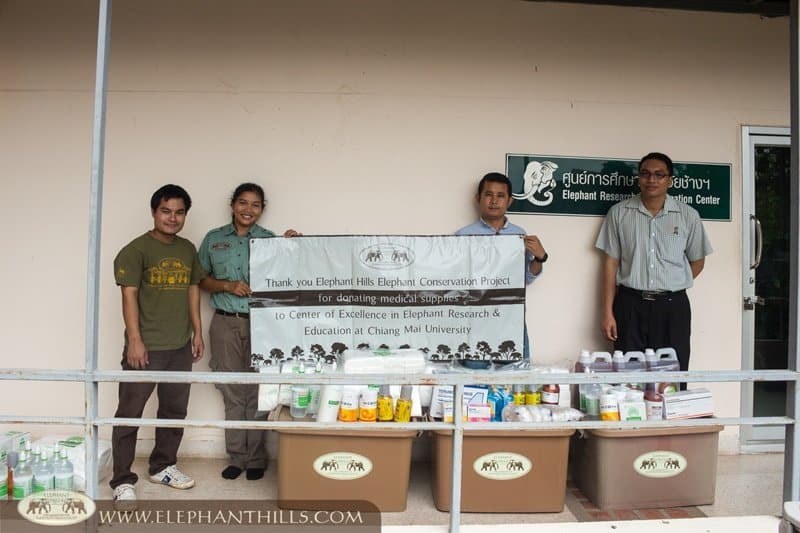
We feel that to benefit Asian Elephant as a species, it’s important to contribute to the research of these magnificent animals. Chiang Mai University Faculty of Veterinary Medicine’s Center of Elephant and Wildlife Research focuses on research and development, education and the creation of educational tools and academic services such as their mobile elephant clinic. Elephant Hills has been supporting their research and mobile clinic by donating funds and medical supplies and sponsoring events such as the International Elephant Symposium.
The elephant vets from the hospitals, universities and elephant camps regularly gather for brainstorming and sharing information at workshops and conferences dedicated to improving the welfare of Thai elephants with sensible, science-based methods. We had a pleasure to host a three-day workshop at our Elephant Café in co-operation with Walailak University’ Veterinary Faculty, bringing together 23 elephant veterinarians from all over Thailand.