

As travellers look ahead to 2026, one destination in Southern Thailand continues to stand out for those seeking nature, wildlife, and meaningful travel experiences. Khao Sok National Park, home to one of the world’s oldest rainforests, is entering a new chapter. Conservation initiatives are expanding, wildlife monitoring is becoming more sophisticated, and travellers are increasingly drawn to immersive, low-impact ways of exploring the jungle.
This renewed focus on sustainability and responsible exploration is shaping what a visit to Khao Sok looks like in 2026. Rather than rushing through destinations, travellers are choosing deeper connections with nature, guided by local knowledge and supported by conservation-led tourism. For those planning a Thailand adventure in the year ahead, Khao Sok offers a rare chance to experience rainforest travel as it was always meant to be.
A renewed focus on rainforest conservation
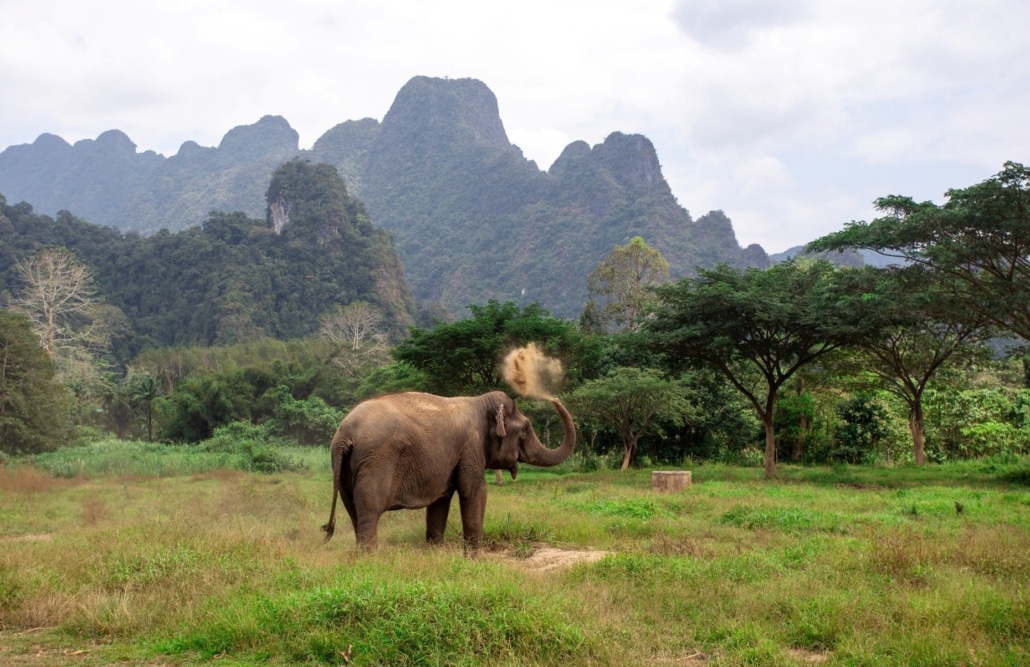
In recent years, rainforest conservation has become central to how Khao Sok is protected and experienced. The park’s dense jungle, limestone cliffs, and vast lake system form a fragile ecosystem that supports countless plant and animal species. In 2026, conservation efforts are increasingly shaped by long-term research, habitat protection, and collaboration between park authorities, conservation organisations, and responsible tour operators.
Visitors may not always see these efforts directly, but they influence every aspect of the experience. Carefully managed visitor numbers, well-maintained trails, and structured wildlife observation help reduce pressure on sensitive areas. This approach ensures that the rainforest remains healthy while still allowing guests to explore and learn.
At Elephant Hills, conservation is not treated as a marketing message but as a guiding principle. Guests are introduced to the rainforest through educational briefings, guided jungle walks, and ethical wildlife encounters that prioritise animal welfare and habitat preservation. You can learn more about this approach on the Elephant Hills elephant experience page.
Wildlife monitoring and what it means for guests
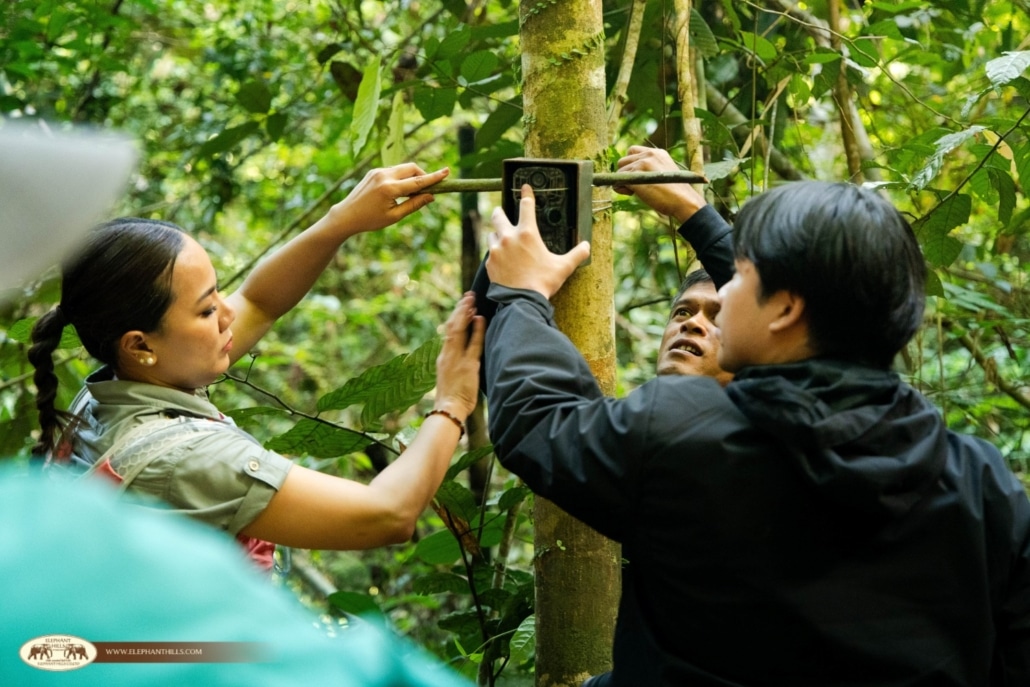
One of the most important developments shaping Khao Sok in 2026 is the growing role of wildlife monitoring. Camera traps, ranger patrols, and ongoing research projects are helping conservation teams better understand animal movement, behaviour, and population trends within the park.
For guests, this means a more informed and respectful wildlife experience. Guides are increasingly able to explain not just what you might see, but why certain animals behave the way they do and how seasonal changes affect visibility. Rather than chasing sightings, visitors are encouraged to observe quietly and appreciate the broader ecosystem.
This approach aligns with Elephant Hills’ long-standing commitment to ethical wildlife tourism. By supporting conservation projects and ongoing monitoring initiatives, guests become part of a wider effort to protect the rainforest for future generations. More information about these initiatives can be found on the Elephant Conservation Project page.
Why slow travel is shaping Khao Sok experiences in 2026
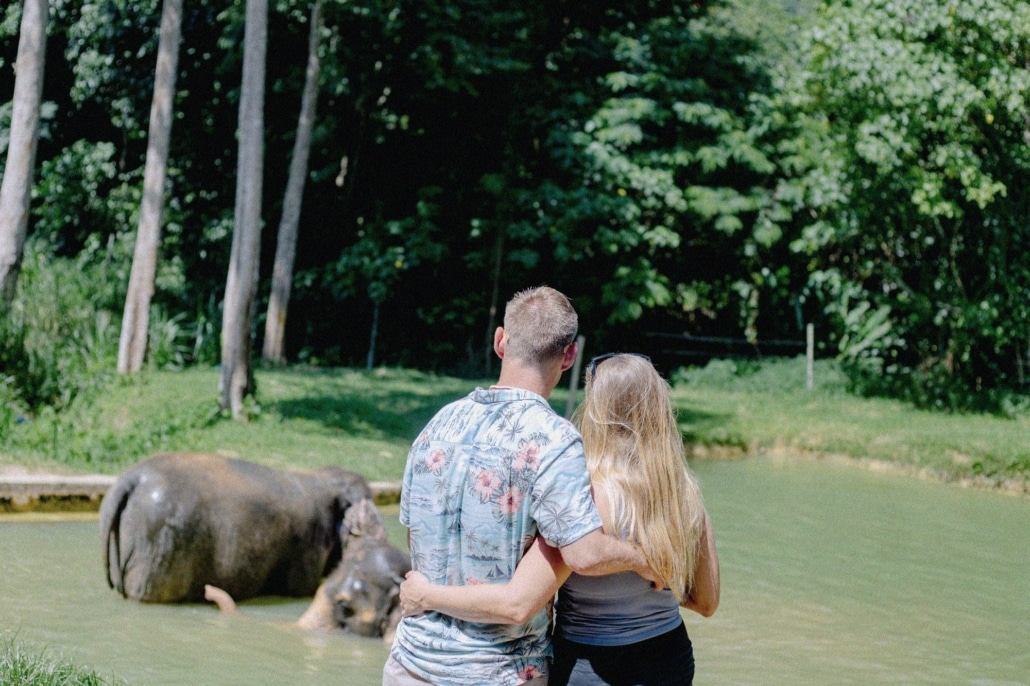
Slow travel continues to gain momentum in 2026, and Khao Sok is particularly well-suited to this way of exploring. Rather than ticking off attractions, visitors are encouraged to spend time immersed in their surroundings. Jungle mornings, quiet afternoons on the lake, and evenings surrounded by rainforest sounds create a rhythm that contrasts sharply with busy resort destinations.
Many travellers now seek experiences that allow them to disconnect from constant digital noise and reconnect with the natural world. In Khao Sok, this often means guided canoe trips, jungle walks led by experienced local guides, and overnight stays in carefully designed camps that blend comfort with nature.
Elephant Hills’ all-inclusive approach supports this slower pace. With activities, accommodation, and meals thoughtfully planned, guests can focus entirely on the experience rather than logistics. Details about these journeys are available on the all-inclusive holidays page.
The evolving role of ethical elephant encounters
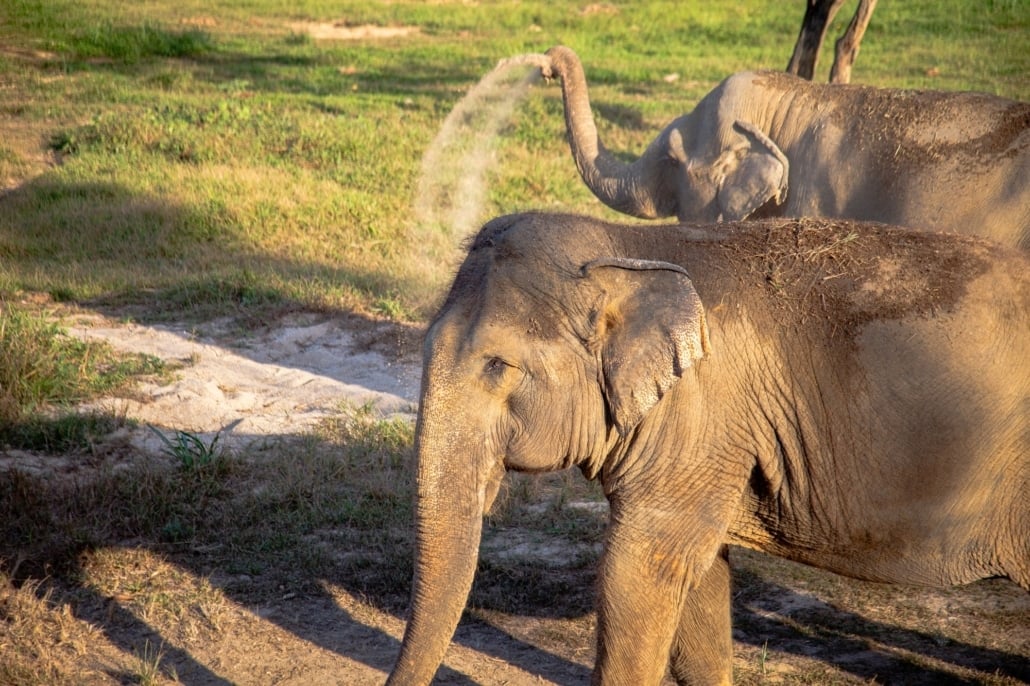
Ethical elephant tourism remains a defining feature of responsible travel in Thailand, and Khao Sok continues to lead by example. In 2026, awareness of animal welfare is at an all-time high, with travellers actively seeking experiences that prioritise respect and care.
At Elephant Hills, elephants are not ridden or forced to perform. Instead, guests observe natural behaviours, learn about individual animals, and understand the challenges elephants face in the modern world. This educational focus helps visitors appreciate the complexity of conservation and the importance of ethical choices.
These encounters are carefully managed to ensure the well-being of both elephants and guests. By placing education and respect at the centre of the experience, Elephant Hills offers a model for how wildlife tourism can support conservation rather than exploit it.
What makes Khao Sok different from other rainforest destinations

Thailand offers many beautiful natural areas, but Khao Sok stands apart for several reasons. Its ancient rainforest predates the Amazon, creating a unique landscape shaped by millions of years of evolution. Towering limestone formations rise above dense jungle, while Cheow Lan Lake adds a dramatic contrast of open water surrounded by forested hills.
In 2026, this diversity will continue to attract travellers seeking more than a standard nature experience. The combination of jungle, lake, wildlife, and cultural insight creates a sense of discovery that is difficult to replicate elsewhere in the country.
For those interested in understanding the region more deeply, the Khao Sok National Park guide on the Elephant Hills website provides valuable background on the park’s geography, climate, and biodiversity.
Seasonal changes and visiting in early 2026
The start of 2026 is an appealing time to visit Khao Sok. The cooler months bring comfortable temperatures and clear conditions for jungle exploration. Wildlife activity can be particularly rewarding, with many species more active during this period.
Seasonal changes also affect the rainforest’s appearance. Water levels, foliage density, and animal movement shift throughout the year, meaning no two visits are ever the same. Guides use this knowledge to adapt activities and provide guests with the best possible experience based on current conditions.
Understanding these seasonal rhythms helps travellers plan a visit that aligns with their interests, whether that is wildlife observation, photography, or simply enjoying the tranquillity of the rainforest.
How responsible travel supports local communities
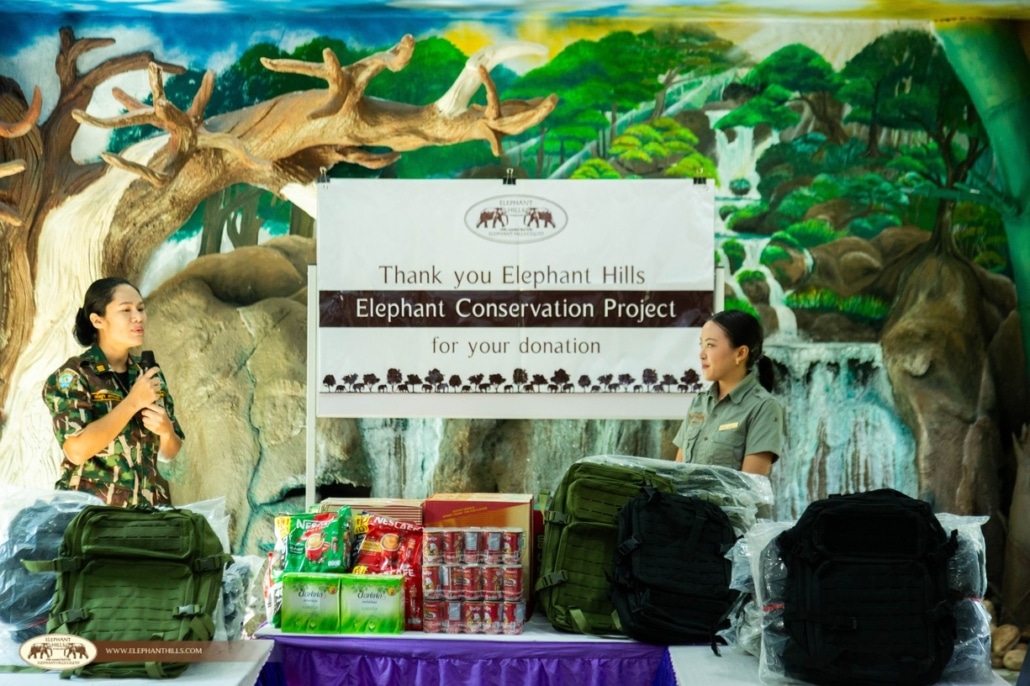
Responsible tourism in Khao Sok extends beyond environmental protection. Local communities play an essential role in preserving the region’s natural heritage. Employment opportunities, training, and collaboration with conservation projects help ensure that tourism benefits those who live alongside the rainforest.
Elephant Hills works closely with local staff and guides, many of whom bring generations of knowledge about the jungle. This connection enriches the guest experience while supporting sustainable livelihoods.
By choosing responsible operators, travellers contribute to a tourism model that values long-term sustainability over short-term gain. This approach is increasingly important as interest in nature-based travel continues to grow.
Looking ahead: Khao Sok’s future beyond 2026

The rainforest revival underway in Khao Sok is not limited to a single year. Conservation initiatives, ethical tourism practices, and traveller awareness are shaping a future where the jungle can thrive alongside responsible visitation.
For travellers planning ahead, Khao Sok represents a destination where meaningful experiences and conservation go hand in hand. As 2026 approaches, the park offers not just a place to visit, but a chance to understand the importance of protecting one of Thailand’s most remarkable natural environments.
For those seeking an immersive, ethical, and unforgettable rainforest journey, Elephant Hills remains a gateway to the heart of Khao Sok.
Frequently Asked Questions
1. Is Khao Sok worth visiting in 2026?
Yes. Khao Sok remains one of Thailand’s most rewarding nature destinations in 2026, particularly for travellers seeking rainforest scenery, wildlife, and responsible tourism. Ongoing conservation efforts and carefully managed visitor experiences mean the park continues to offer meaningful, low-impact travel opportunities.
2. What wildlife can you see in Khao Sok National Park?
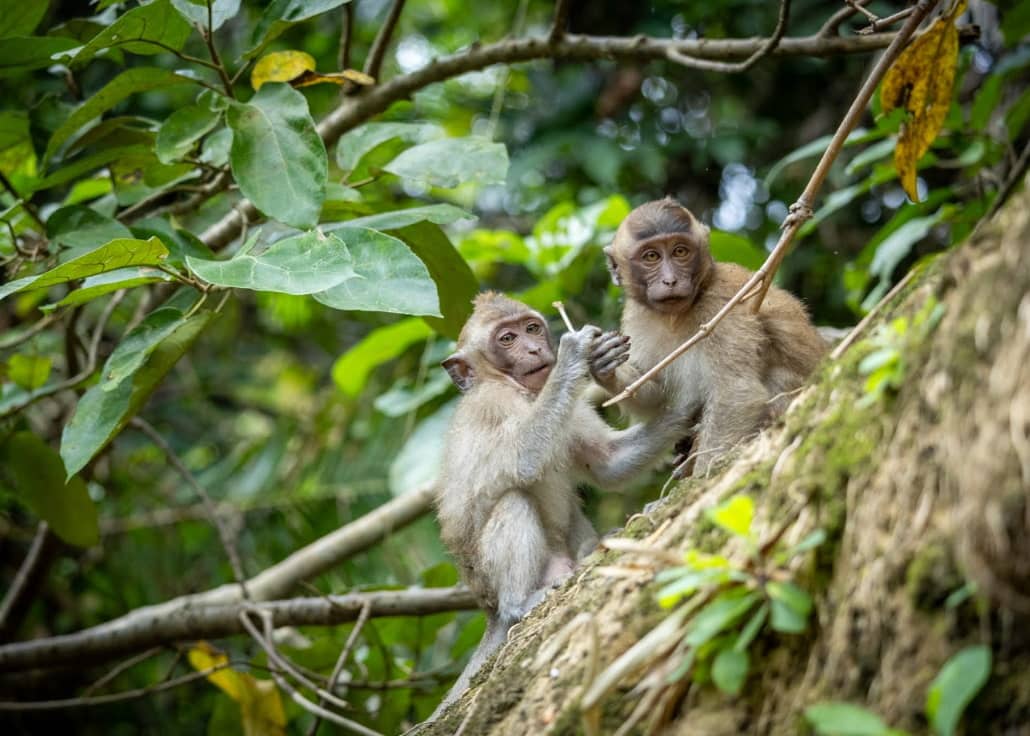
Khao Sok is home to a wide range of wildlife, including elephants, gibbons, hornbills, macaques, reptiles, and countless insect species. Sightings vary depending on season and conditions, but guided experiences increase the chances of observing animals responsibly and safely.
3. When is the best time to visit Khao Sok?
The cooler months from December to March are popular due to comfortable temperatures and good conditions for jungle activities. However, each season offers something different, with changing water levels, vegetation, and wildlife behaviour throughout the year.
4. Is Elephant Hills an ethical way to experience elephants?
Elephant Hills focuses on ethical elephant encounters that prioritise animal welfare. There is no riding or forced interaction. Guests observe natural behaviour and learn about elephant conservation through educational, carefully managed experiences.
5. What makes Khao Sok different from other rainforest destinations in Thailand?
Khao Sok stands out for its ancient rainforest, dramatic limestone landscapes, and the unique combination of jungle and lake environments. This diversity creates a richer and more immersive nature experience than many other rainforest areas in Thailand.
6. Do I need to be very fit to enjoy a Khao Sok rainforest experience?
No. Activities are designed to suit a wide range of fitness levels. Guided walks and excursions are paced appropriately, and guests are supported throughout the experience, making Khao Sok accessible to most travellers with a reasonable level of mobility.
You might also like…
Discover The Bush Camp Chiang Mai: An Ethical Elephant Encounter
Thailand’s Cultural Gems: Unveiling Temples, Traditions & Thai Cuisine
Discover the Best of Southern Thailand: Your Guide to Phuket, Koh Samui, Krabi and Khao Lak
Khao Sok National Park – A Jungle Adventure In Southern Thailand
Honeymoon Destinations in Thailand